
TL;DR
Most “cheap” deck bids in Austin are missing work you’ll end up paying for later. The classic scope gaps hide in site prep and access, footing engineering, ledger and flashing details, rails and stairs, electrical and lighting, demolition and haul-off, and permits/inspections. Close them by demanding line-item scope with assumptions, drawings showing load paths and waterproofing, material specs down to fastener metal and joist spacing, and a clean change-order policy before you sign. Ask for a neighborhood-appropriate footing plan (think rock vs clay vs steep slope), require proof of code compliance, and make sure the bid prices the exact deck you want—not an optimistic placeholder. If you want a quick reality check early on, our Austin deck pros can walk the site and translate your constraints into a bulletproof scope that multiple bidders can price apples-to-apples. (We’ll bring a tape, a level, and Hill Country common sense.)
Why Austin bids develop scope gaps
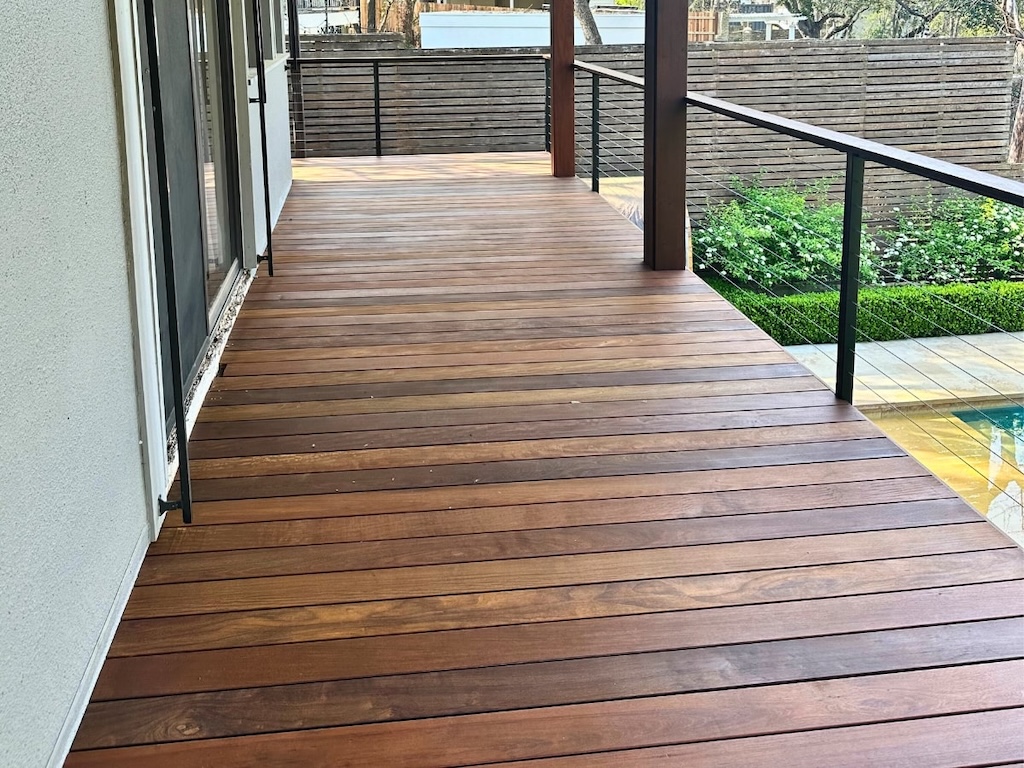
Austin lots vary wildly—caliche and clay in one yard, shallow limestone in the next, hillside access in West Lake Hills, tight side yards in Crestview. Builders often keep an initial bid light so the number looks friendly, planning to adjust once demolition starts or the city asks for details. That’s not always bad faith; it’s often uncertainty. Your job is to reduce that uncertainty upfront so “TBD” doesn’t become “oh no.”
Goal: Turn unknowns into written assumptions. Anything that’s not spelled out becomes a probable change order. The more specific your scope, the more accurate—and comparable—your bids will be.
Early sanity check: want an outline you can hand to multiple bidders? Our Austin deck team can document your slope, access, soil clues, and utilities to ensure consistent pricing.
The bid anatomy you should insist on
Strong bids share the same bones:
- Drawings: Plan view and at least one section showing framing direction, joist spacing, beam sizes, post locations, footing type and depth, and rail/stair layouts.
- Material schedule: Decking brand and line, color family or range, rail type, post and beam species or steel grade, hardware metals (HDG vs 304/316 stainless), and fastener systems (hidden clips vs face-screws).
- Waterproofing details: Ledger flashing shape (with drip), joist-top protection (butyl tape), stair tread nosing and anti-slip, and any under-deck drainage or diverter.
- Assumptions page: Soil expectation, rock depth guess, access limitations, tree protection, utility relocations, dumpster placement, work hours, and noise policies.
- Inclusions/exclusions: Demo and haul-off, permitting, engineering letters, inspections, electrical, lighting, paint/stain, and punch-list touchups.
- Warranty and closeout: Product and labor coverage, what voids them, and the deliverables you’ll receive (photos of hidden waterproofing, torque logs for helical piles, inspection sign-offs).
If a bid can’t produce these, it’s not “cheaper”—it’s blurrier.
Site realities that change scope fast
Scope gaps often start where the yard meets the build:
- Access: Can materials reach the backyard without a crane or the removal of a temporary fence? Narrow side yards add hours.
- Slope: A 2-foot fall over the deck width means landings, taller posts, and more railing—none of which is free.
- Soils and rock: Shallow limestone changes footing methods (micropiles/rock pins or helical piles vs hand-dug piers). Clay pockets demand deeper or belled piers.
- Trees: Heritage tree root zones limit excavation and may push you toward helical piles or modified layouts.
- Utilities and drainage: Downspouts, AC condensate lines, or French drains must reroute around posts and stairs—or the deck will suffer later.
Ask your bidders to walk the site after a rain if possible; water shows you tomorrow’s problems today.
Footings, posts, and beams that actually match Austin soils
Scope gap to watch: “Concrete footings” with no spec. That’s an IOU.
- Concrete piers: Require a depth and diameter, bell spec (if any), reinforcing (rebar cage), and bearing assumption. If you’re on clay or at a slope break, ask for a deeper minimum.
- Helical piles: Require engineer-specified torque and a bracket detail. Great for tight access or tree-sensitive sites; they install quickly and carry the load immediately.
- Micropiles/rock pins: When limestone is encountered shallowly, small-diameter anchors bonded to bedrock provide predictable support without oversized holes.
- Posts and beams: Tall posts on downhill tiers need size upgrades and bracing. Drop beams close to grade reduce wobble; specify splice locations and connectors.
How to close the gap: Put the footing method, size, and engineering proof in writing. Require an alternate price if the soil differs from the assumption (e.g., “rock within 12 inches” or “clay to 36 inches”).
For bigger or complex builds where you want day-one structural alignment, our deck installation in Austin can package framing, footings, and rail loads into a single, inspectable plan.
Ledger, flashing, and water management, you’ll never regret
Scope gap to watch: “Attach to house” with no ledger details.
- Ledger fasteners: Through-bolts or ICC-rated structural screws with spacing and edge distances. Never lag into brick veneer.
- Flashing: Continuous metal with a formed drip edge, shingle-lapped with WRB/siding, and pre-bent corners. Include a note about no-caulk-only solutions.
- Joist-top protection: Butyl tape over joists and beam splices.
- End-grain care: Pre-seal stair stringer cuts and board ends; add small drip kerfs under nosings.
How to close the gap: Require a one-line drawing of the ledger assembly and a product list (flashing metal, joist tape brand). Ask for photos of these layers before the boards go down.
Rails, stairs, and safety that pass inspection the first time
Scope gap to watch: “Rail included” or “stairs included” with no counts.
- Railing: Length in linear feet, guard height, style (cable/metal/composite), post spacing, and connection method to framing.
- Stairs: Location, number of runs and landings, closed risers vs. open risers, lighting, and anti-slip.
- Gates and pool safety: Hardware and self-closing requirements if near water.
How to close the gap: Put counts in the bid—e.g., “42 inches rail height, 64 LF total, four corner posts, two stair runs with 36-inch landings.” That turns guesses into scope.
Electrical, lighting, and accessories that don’t become add-ons
Scope gap to watch: “Lighting optional” with no routes or fixtures.
- Low-voltage: Fixture type and count, transformer size and location, cable routes that respect waterproofing and expansion joints.
- Outlets and kitchens: GFCI locations, conduit paths, and load assumptions over bearing walls.
- Shade and screens: Pergola footings and connections, wind bracing, and how they interact with rails.
How to close the gap: Specify fixture families and photometrics (soft, low-glare), show locations on a plan, and confirm membrane/penetration details where applicable.
Demolition, haul-off, and property protection you can live with
Scope gap to watch: “Demo included” with no mention of carting, dumpsters, or lawn/irrigation protection.
- Demolition: Hand vs machine, dust control at doors and windows, and separation of treated lumber for disposal.
- Haul-off: Dumpster size and placement, driveway protection, and daily cleanup expectations.
- Protection: Plywood paths, irrigation, and sod protection, fence panels temporarily removed and reinstalled.
How to close the gap: Put protection steps in the bid and set a photo standard for end-of-day cleanup.
Permits, inspections, and HOA fine print without surprises

Scope gap to watch: “Permits by owner” without explanation.
- Permits: Who draws, who submits, and who pays the fees. Include structural letters if the jurisdiction or slope requires them.
- Inspections: Which ones are anticipated (footing, framing, final), and who meets inspectors on site?
- HOA: Submittal package, neighbor notifications, and limits on railing styles or privacy screens.
How to close the gap: Make permit/HOA handling explicit. If you’d like third-party verification before submittal, deck inspection services in Austin can provide a pre-permit punch list that saves time later.
Timelines, payments, and change-order rules that protect you
Timeline structure that works in Austin:
- Design & selections: 3–7 days for standard projects once the site is measured.
- Engineering and permit set: 1–2 weeks, depending on footing type and complexity.
- Permitting/HOA: Often 1–3 weeks with a complete package.
- Build: 2–6 weeks based on access, weather, and rail/stair complexity.
Payment structure that prevents drift:
- Modest deposit (to reserve schedule and purchase long-lead materials).
- Progress draws are tied to milestones you can see: demo complete, footings approved, framing/rough inspection, rail installed, and final punch.
- Change orders: Written scope and price before work continues; include how “unknowns” are priced (unit cost per additional footing depth, LF of added rail, etc.).
Red-flag wording and how to rewrite it
- “Footings as required.”
Rewrite: “Eight 12-inch diameter piers to minimum 30-inch depth or to competent bearing; alternate unit price for helical piles at engineer-specified torque if rock encountered at <12 inches.” - “Attach to house.”
Rewrite: “2x ledger with 0.040 aluminum flashing and drip edge, ICC-rated structural screws at 6/12 pattern, through-bolts at door opening header; photo documentation before decking.” - “Rail included.”
Rewrite: “Cable rail, 42 inches height, 64 LF, posts at 6 feet max, through-bolted brackets; two stair sections with low-voltage step lights.” - “Lighting optional.”
Rewrite: “Low-voltage post caps (8), step lights (6), 150W transformer under main landing, exterior-rated cable routed in conduits; GFCI outlet location shown on plan.” - “Demo included.”
Rewrite: “Demolish and haul off 320 sq ft deck; protect lawn with plywood mats; 10-yard dumpster in driveway with plywood underlayment; daily sweep and magnet pass.”
FAQs
Get a Bid Package That Protects Your Budget
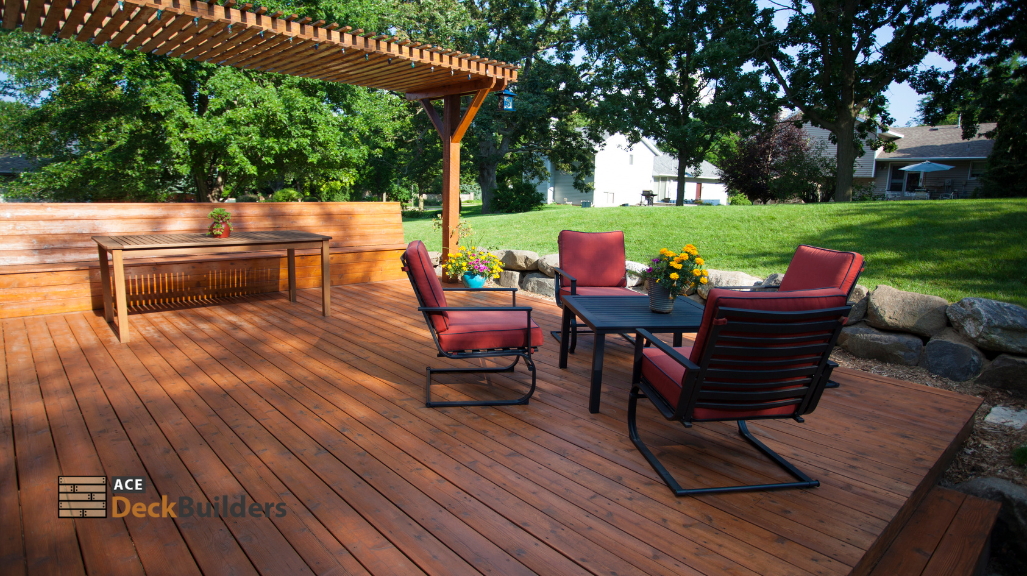
Avoid costly surprises with a bid package built to close the gaps before they become expensive change orders. We start by thoroughly mapping your site, checking grades, access points, utilities, drainage, and structural considerations—so nothing gets missed. Then we draft a right-sized scope that’s clear, detailed, and tailored to your actual conditions, not guesswork. You’ll receive a clean, transparent quote from us. If you’re collecting multiple bids, we can even provide a builder-friendly template to help other contractors price the project fairly and accurately. It’s the most innovative way to compare apples to apples, reduce risk, and keep your project on budget from day one. Call (512) 566-7519 or start here by requesting your Austin deck estimate to get your custom plan and pricing.