
TL;DR
Most deck rot in Austin starts at end‑grain—the straw‑like fibers at board ends, post bottoms, and cut penetrations that wick water. Stop “wick‑rot” by sealing every cut edge, elevating posts off concrete, flashing ledgers correctly, and keeping water moving with drip gaps and joist tape. Choose finishes that block moisture, add borate treatment where it counts, and verify hardware that won’t trap water. With a few habit‑forming details at install—and smart maintenance—you’ll extend service life, reduce repairs, and keep your deck solid through our heat/rain cycles.
What is end‑grain, and why does it rot first
Wood is a bundle of capillaries. On end‑grain, those tubes are open, so water wicks in fast and evaporates slowly—especially where airflow is poor. Add Austin’s spring storms and humid late summers, and you’ve got a recipe for decay, swelling, and loose fasteners.
If you want a quick on‑site look at your deck’s hot spots, our Austin deck crew can walk your structure and flag the end‑grain risks before they become repairs.
Where Austin decks actually fail (common wick points)
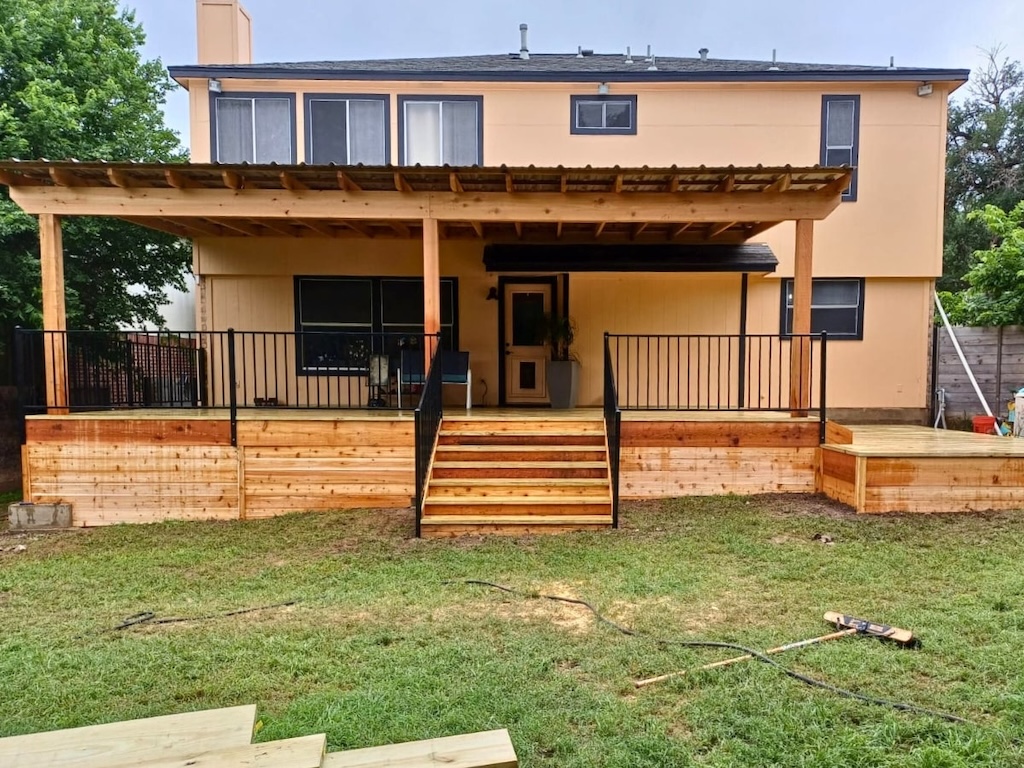
- Post bottoms sitting on concrete or buried in soil without stand‑off bases.
- Cut stair stringers at grade where splash‑back saturates ends.
- Joist and beam ends over the ledger/rim, where water collects under the decking.
- Railing posts through top caps without sleeves or proper flashing.
- Trim/fascia ends at the corners, trapping water behind picture‑frame borders.
- Ledger ends and notches without continuous flashing.
Clue hunt: Look for darkened end fibers, mushy screw holes, raised grain, or persistent dampness after a dry day.
Build‑time details that shut down wicking
- Seal every cut—brush or flood end‑grain sealer on every field cut, hole, and notch. Keep a dedicated cup/brush on saw‑horses and make it a habit.
- Elevate posts. Use standoff post bases (hot‑dip galvanized or stainless) to lift wood off concrete; shim to keep caps square and provide drain paths.
- Stand proud of your grade. On lower tiers, set stringers and skirts off gravel rather than soil; add a drip edge to shed splash.
- Picture‑frame smartly. Vent picture‑frame borders with weep gaps at corners; pre‑seal fascia ends before install.
- Composite/PVC ends. Seal exposed composite ends when the manufacturer requires it; square, clean cuts reduce cap delamination.
- Joist tape. Cap joist tops and beam crowns with butyl joist tape to stop top‑side wicking and fastener leaks.
For complex repairs where ends are already compromised, our deck repair team in Austin can sister members, add standoffs, and rebuild water traps without tearing down the whole frame.
Sealers, borates, and finishes that work in our climate
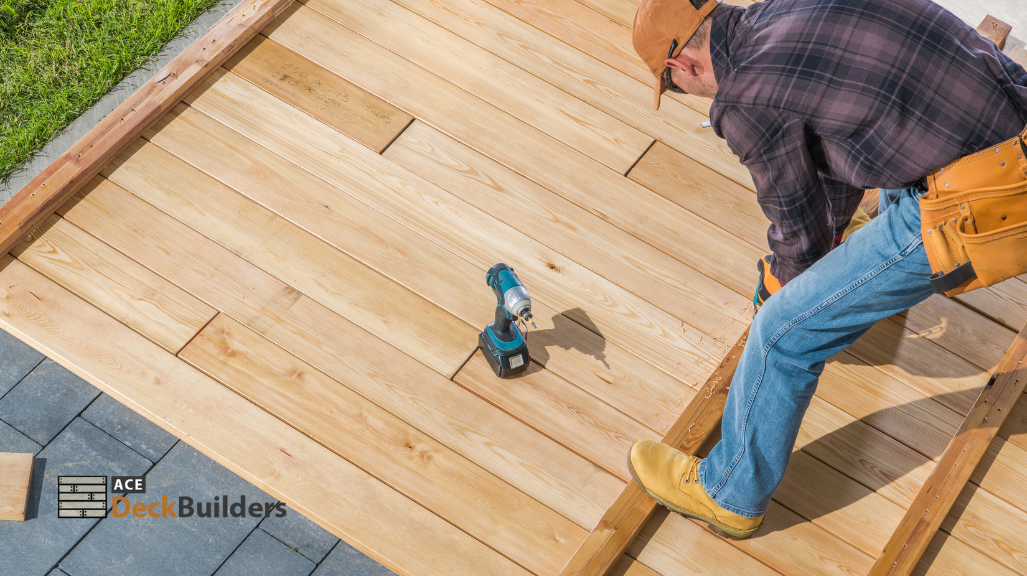
- End‑grain sealer: Thick, penetrating formulas (often waxed or resin‑rich) for cuts/bores. Keep a labeled squeeze bottle for quick dabs on-site.
- Borate treatment: Brush or soak the cut ends and hidden faces in a borate solution before applying top coats—excellent for controlling fungi and insects. Let dry thoroughly before sealing.
- Top coats: For cedar or hardwoods, use penetrating oils or film‑forming finishes rated for horizontal UV. Re‑coat schedules are shorter in full sun.
- Color strategy: Lighter tones reduce heat cycling, limiting checking at the ends.
If you’re deciding between a complete refinish and targeted work, our deck staining service in Austin can set the proper prep and product plan for your species and exposure.
Hardware, flashing, and tape: stop water traps
- Flashing at ledgers and posts: Continuous Z‑flash over horizontal terminations; boot penetrations with manufacturer‑approved gaskets. Don’t rely on caulk alone.
- Sleeves & caps: Sleeve guard posts through decking with gaskets; cap any exposed hollow posts.
- Fasteners: Use exterior‑rated screws; pre‑drill dense species to avoid micro‑cracks at ends.
- Tape & membranes: Butyl tapes over joists, beam splices, and checker‑plate under railing bases eliminate capillary leaks.
For a safety‑first review of moisture at the house connection, skim our checklist on Austin deck ledger flashing & safety before you close anything up.
Drainage, airflow, and smart gaps
- Gaps you can trust: Maintain consistent board spacing; don’t “tight‑gap” end joints.
- Air under the skirt: Vent skirting or switch to lattice in discreet runs; stagnant air is rot’s best friend.
- Drip logic: Add tiny drip kerfs under nose pieces and stair treads; slope flat trims away from wood edges.
- Clean edges: Keep landscape mulch and soil off fascia; create a gravel border to break splash.
Inspection and maintenance cadence (Austin seasons)

- Spring: Check end‑cuts, post bases, and stair stringer tips after winter moisture. Re‑seal nicks/scrapes.
- Summer: Watch for UV checking at board ends; re‑oil exposed hardwoods before peak heat.
- Fall: Clear leaf traps; re‑seat loose screws/hidden fasteners at ends; touch up sealer before El Niño‑style rain cycles.
- After big storms: Inspect for standing water paths and adjust drip edges.
Repair vs. replace: how to triage wick‑rot
- Localized rot (≤1–2 in. from end): Cut back to sound wood, sister with structural screws/plates, treat with borate, and reseal.
- Deeper rot or crushed fibers: Replace the member; consider moving joints away from water paths.
- Systemic moisture traps: Redesign details—add standoffs, change trim logic, and improve airflow.
If your deck is aging out or multiple zones show end‑grain failure, our deck replacement team in Austin can provide a quote for an upgrade with modern moisture-resistance measures.
FAQs
Protect Your Deck From Wick-Rot With a Targeted Treatment Plan
Safeguard your deck with a protection strategy built to stop moisture from creeping into posts, beams, and connection points. Wick-rot is one of the most common threats to Austin decks, and catching it early—or preventing it altogether—can save you from major repairs down the road. Our team inspects vulnerable areas where water can travel through end grains or hardware gaps, then designs a treatment plan that seals, redirects, and reinforces every potential entry point. From flashing upgrades to post-base improvements, sealant applications, and structural corrections, we make sure your deck stays solid, dry, and long-lasting. Whether you’re already seeing warning signs or want to prevent damage before it starts, we can help. Call (512) 566-7519 or start your Austin deck estimate today to get your custom plan and pricing.