
TL;DR
Rails and lighting can swing an Austin deck quote by thousands—often more than the decking itself. The price changes fast with rail type (cable vs metal vs composite), linear footage, post spacing, stair sections, and hardware metal (HDG vs 304/316 stainless). Lighting swings with fixture count, beam length/wattage, control method, and wire routes (and whether waterproofing is penetrated correctly). Close the guesswork by asking for line‑item allowances with counts—linear feet of rail, posts per spacing, stair runs and landings, fixture types/quantities, transformer size, and a wiring plan that won’t void warranties. Put these numbers on the drawings, and your bids will finally match the same deck price.
Why allowances balloon in Austin deck bids
Allowances are placeholders—builder shorthand for “we don’t know your exact products or counts yet.” On paper,r they look tidy; on site, te they multiply. Austin yards complicate things: long sightlines beg for cable, pools require self‑closing gates, hillside stairs add landings, and west‑facing lounges need low‑glare lighting. Plus, code and wind vary by exposure. The fix isn’t magic; it’s math: counts on drawings + product families + metal choices written in plain English.
If you’d like an early sanity check on your exposure, rail runs, and fixture layout, our Austin deck team can walk the site and sketch a takeoff that turns “allowances” into real numbers.
Rail options decoded: costs, code, and comfort.

Rails do three jobs: keep people on the deck, preserve views, and complement the architecture. Cost follows complexity, material, and linear footage. Here’s how the common choices shake out for Austin projects.
Slim steel or aluminum picket rail
- Look & view: Clean, strong lines; moderate view preservation.
- Cost drivers: Post spacing (4–6 ft), powder‑coat quality, and custom angles on multi‑level decks.
- Installation notes: Through‑bolted posts with concealed brackets. Use isolation shims on aluminum to avoid galvanic reactions.
Cable rail (stainless)
- Look & view: Excellent view; “Hill Country modern.”
- Cost drivers: Post count and stiffness; cable runs need tensioners at ends, and sometimes mid‑span; stair sections require extra hardware.
- Comfort: Grabs wind well—choose robust posts and top rails to avoid “guitar string” feel in gusts.
Composite/wood rail systems
- Look & view: Bulkiest sightline; wide top caps feel great as drink rails.
- Cost drivers: Kits vs custom, color upgrades, and the amount of rail footage vs benches acting as guards.
- Maintenance: More touch‑up on caps exposed to the west sun; keep drainage off post sleeves.
Glass panels
- Look & view: Uninterrupted vistas; wind break.
- Cost drivers: Panel size/thickness, clips/base shoes, and cleaning access.
- Austin note: Great for view sides but can increase heat and glare; pair with shading.
Bench‑as‑guard hybrids
- Look & view: Terrific on pool‑adjacent edges; seated privacy without complete rail runs.
- Cost drivers: Framing and anchorage, not hardware.
- Code: Benches don’t replace guards on drops; design carefully.
Reality check: The linear footage matters most. Measure every edge that drops to grade > the guard threshold, then add stair runs and landings. Most bids undercount stairs; you pay later.
Stair rails, gates, and landings are most builders’ undercount
Stairs multiply the cost because they pack posts, brackets, fittings, and lighting into short distances.
- Stair rail sections: Count each run and landing separately. Short flights are not cheaper per foot; hardware density rises.
- Landings: Add guard footage and posts at every landing; tight footprints need custom angles.
- Gates: Pool‑adjacent zones may need self‑closing, self‑latching gates with specific hinge hardware and latch heights—price them now.
- Transitions: Top‑of‑stair terminations require special brackets or taller newel posts; this is where many “allowance” bids go light.
Design tip: Consider a low bench or planter at edges where full guard height isn’t needed to reduce costly rail footage while improving comfort and wind behavior.
Lighting plans that look great and pass inspection
Great deck lighting reads as invisible comfort—soft, low‑glare illumination right where feet and hands need it. Costs follow fixture family and count, not just lumens.
- Step and tread lights: The MVP for safety; place on the wall or riser, not under treads, to avoid blinding.
- Post/cap lights: Minimal output to avoid sky glow; aim down.
- Under‑rail strips: Nice for wayfinding; specify warm CCT and diffuser so you don’t see dots.
- Task zones: Grill or kitchen areas can use shielded floods or small downlights—aim away from neighbor sightlines.
- Controls: Timers or innovative photocell/astronomical clocks cut waste; dimmers let you dial for guests vs quiet nights.
Austin’s dark‑sky awareness is growing—keep light levels modest and directed. Your eyes will thank you, and so will your neighbors.
Wattage, wiring, and controls: where costs hide
Lighting budgets explode when wiring is an afterthought. Specify it now:
- Transformer size and location: Rightsize wattage (with 20–30% headroom) and pick a dry, ventilated mount.
- Voltage drop: Long runs need heavier gauge or split circuits; dim corners are a sign of thin wire on big loops.
- Cable routes: Protect the envelope. Over membranes or under decking, use rated cable paths and protection plates for exposed crossings.
- Controls: Do you want a single dusk‑to‑dawn schedule or scenes/zones? More zones = more cable and boxes.
- Conduit at transitions: Where wires pass through framing or into house walls, conduit and grommets keep jackets intact and critters out.
If you want a digest of the permitting and sequencing side before you lock your layout, this walk‑through of the deck installation process in Austin is a good mid‑read primer.
Waterproofing and penetrations: keep the envelope safe
Lighting and rail posts love to make little holes in big waterproofing systems. Control them:
- No caulk‑only fixes. Use mechanical clamping boots or base plates on curbs where roofs are involved.
- Shingle‑lap every layer. Membranes, flashings, and counter‑flash all need gravity on their side.
- Service gaps: Leave access around drains and scuppers; “pretty” but tight decking is hard to fix later.
- Photos before concealment: Ask your builder to document the layers; you can’t see them later, but inspectors and future buyers will ask.
For guard/ledger specifics that pair with lighting penetrations, this primer on Austin deck railing & stair code helps you pick hardware that satisfies both safety and waterproofing requirements.
Metals that last here: HDG vs 304 vs 316 stainless

Austin’s combination of heat, storms, and occasional pool splash is rough on metals. Your rail and lighting hardware choices need to match the exposure.
- Hot‑dip galvanized (HDG): Reliable value for most framing and many brackets. Confirm actual hot‑dip thickness, not thin electro‑galv.
- 304/305 stainless: Excellent for inland projects and most cable/joinery; great for composite deck clips and face screws.
- 316 stainless: Best near pools, water features, or chemical environments; resists chloride attack and tanning chemical residues.
- Isolation: Separate dissimilar metals with nylon/EPDM shims to prevent galvanic corrosion, especially aluminum + stainless combos.
Hidden fastener systems for composites are often stainless clips plus coated screws—follow the brand system so the warranty stays intact.
Drawing and spec checklist to keep quotes honest
Convert “allowances” into counts, and you’ll get apples‑to‑apples pricing. Add these notes to your plan set or scope sheet:
Rails
- Total linear feet of guard.
- Style family (cable, slim metal picket, composite kit, glass).
- Post spacing (e.g., 6 ft max on straights, 4–5 ft on stairs).
- Stair runs and landings with guard lengths and terminations.
- Gates (pool or pet), hardware type, and latch heights.
Lighting
- Fixture types and counts (step, post, under‑rail, task).
- CCT (warm white) and beam spread (narrow for steps, wide for landings).
- Transformer wattage and location.
- Zones/controls (photocell + timer, app dimming).
- Wiring routes (conduit at penetrations; no unprotected runs across joists).
Metals & waterproofing
- Hardware family (HDG or 304/316 stainless)
- Membrane/flash detail where posts/fixtures penetrate.
- Photo documentationis required before decking goes down.
Print that list and staple it to every bid request.
Timelines, lead times, and realistic allowances
Rail and lighting lead times can rival decking—especially powder‑coated packages and glass. Plan for:
- Design & selections: 3–7 days after site measure to lock rail family and lighting scenes.
- Engineering & permit set: 1–2 weeks; rail post loads and stair details often show up in plan review.
- Material lead times: 1–4 weeks typical; custom powder or glass can push longer—lock colors early.
- Build duration: 2–6 weeks, depending on access, stair count, and inspection cadence.
If you want everything on one page and installed to code the first time, our deck installation team in Austin can package rails, lighting, and waterproofing into the original scope instead of as change orders.
FAQs
Get a Rail and Lighting Package That Looks Great and Meets Code
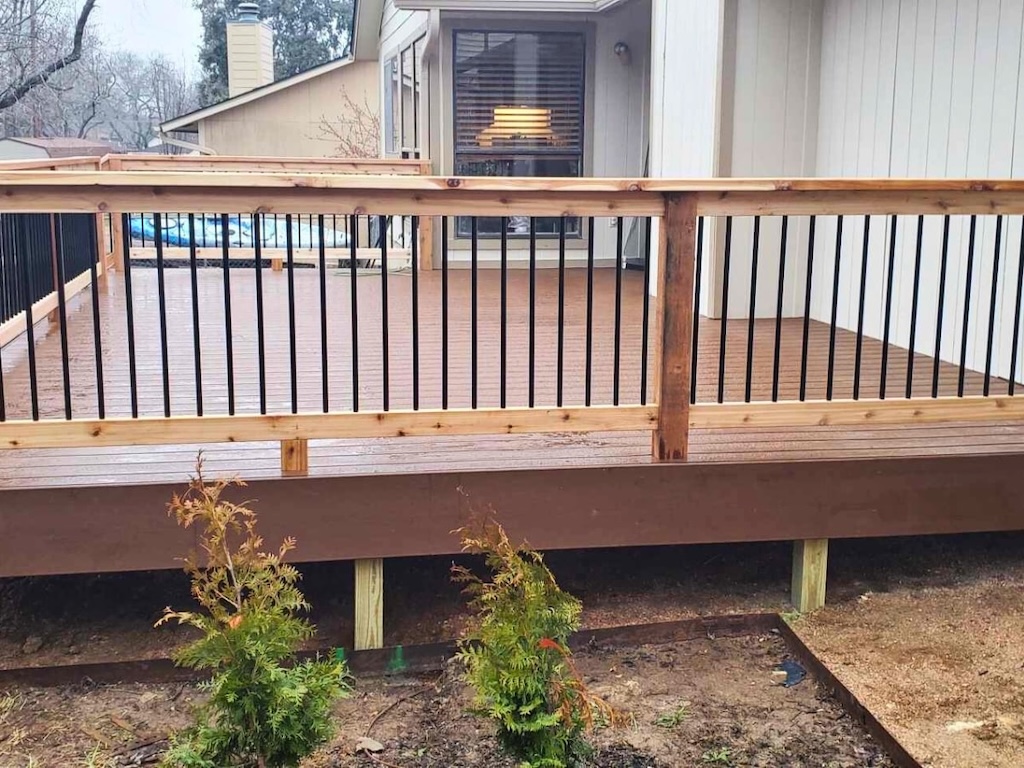
Upgrade your deck with a rail and lighting package that’s stylish, safe, and budget-smart. We start by taking precise measurements, reviewing your layout, and understanding how you want the space to feel at night. Then we match you with rail profiles, infill options, and lighting fixtures that complement your deck while meeting Austin’s safety and code requirements. No vague allowances, no guesswork—just clear specifications and clean pricing you can trust. Whether you want modern metal rails, warm wood accents, low-glare step lighting, or a full perimeter glow, we’ll design a package that fits your style and stays within your budget. Call (512) 566-7519 or start here by requesting your Austin deck estimate to get your custom plan and pricing.