
TL;DR
If your deck feels loose, it probably is. Small, repeatable tests—done safely—can surface hidden problems long before they become repairs: post rock and uplift, beam deflection, joist bounce, ledger looseness, guard/handrail flex, and stair racking. Our Austin‑ready “Wobble Index” walks you through a 30–45 minute sequence that scores wobble, sway, and vibration so you can decide what needs a tune‑up, what needs professional reinforcement, and what deserves a full inspection. Keep people off zones that fail hard, improve drainage and end‑grain sealing right away, and plan the right next step. Want a quick check? Our local crew can walk the deck, confirm structure, and turn your scores into a punch list that fits Austin’s codes, soils, and weather.
What the Wobble Index measures and why it matters in Austin
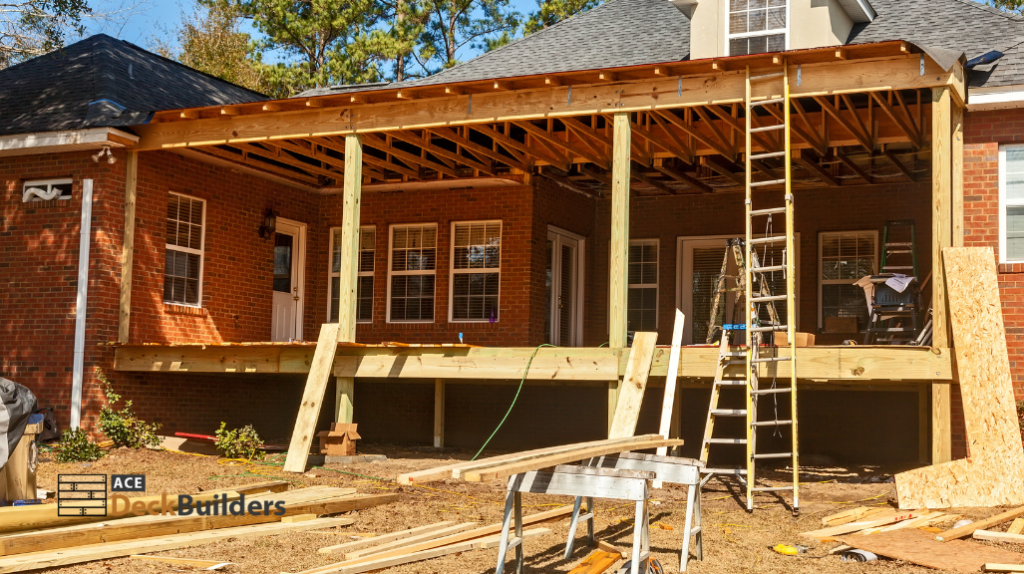
Austin decks see heat, wind, storms, and soil movements that work connections over time. The Wobble Index is a simple field method to quantify “that doesn’t feel right.” Instead of guessing, you sequence light loads and observations to find:
- Post movement (rock, uplift, and base deterioration)
- Beam deflection (sagging under load, splice weakness)
- Joist bounce (span overreach, blocking gaps)
- Ledger looseness (fastener failure, flashing leaks at the house)
- Guard and handrail flex (insufficient post anchorage)
- Stair racking (loose stringers, weak landings)
Documenting wobbles now prevents bigger fixes later—especially at the ledger and stair transitions where safety lives.
Early in the process, it helps to baseline what “normal” feels like for your layout and age. If you’d like a pro set of eyes on your starting point, our Austin deck team can walk the site and align your observations with a practical repair plan.
Safety setup for at‑home testing
Before you start, make testing safer and more accurate:
- Clear the surface of loose furniture and rugs. Wear gloves and safety glasses.
- Dry conditions only. Skip tests if the boards are wet or icy.
- Limit loads—you’re not stress‑testing; you’re evaluating movement. Keep kids and guests off the deck during testing.
- Have a helper to observe from the ground while you apply light, steady pressure.
- Phone notes and photos help you compare year over year.
Stop and call a pro immediately if you see sheathing rot at the ledger, posts floating above bases, or guards that move more than an inch at the top under light pressure.
The Wobble Index checklist: posts, beams, joists, ledger, rails, and stairs
Run the tests in this order to avoid confusing causes with symptoms. Record each test as Pass / Watch / Fix and, optionally, a 0–3 wobble score (0 = solid, 3 = unsafe).
Posts and bases
- Rock test: From the ground, grasp a mid‑height post and gently push/pull. Watch the base connection—the post should not lift or shift. Look for split fibers at the base and rusted hardware.
- Base drainage check: If soil or mulch covers the post base, clear it. Water splash/soil contact accelerates rot and loosening.
Beams and splices
- Deflection test: Stand mid‑span and take a small step/hop. Have your helper watch the beam. Deflection should be subtle and return without residual sag.
- Splice audit: Look for beam splices directly over posts (good) versus between posts (bad). Splices between supports are prime wobble points.
Joists and blocking
- Bounce walk: Walk heel‑to‑toe across the deck and feel for rhythmic bounce. This points to over‑spanned joists or missing blocking.
- Blocking peek: From below, verify solid blocking near rail posts, stairs, and at picture‑frame borders.
Ledger and house connection
- Shear tap: Lightly tap along the ledger; a dull thud near the house can indicate trapped moisture.
- Fastener scan: Through‑bolts or structural screws should follow a regular pattern with correct edge spacing. Random lag screws or missing washers are red flags.
- Flashing check: Look for continuous metal with a drip edge. Stains below the ledger or mushrooming wood indicate leaks.
Guards and handrails
- Top‑rail push: Push the top rail outward with about the force of leaning; movement should be minimal. A flexy feel suggests posts aren’t properly through‑bolted or blocked.
- Post integrity: Inspect bases where posts meet the frame. Hidden water traps under post plates often rot framing and loosen connections.
Stairs and landings
- Tread flex: Press on the front edge of the treads. Excess deflection suggests poor attachment.
- Rack test: Hold the handrail and gently sway the stair run; movement indicates weak stringer attachment or missing landings.
- Landing level: A tilted landing points to footing movement or poor soil bearing.
Scoring: how to read your results and prioritize fixes
Use a simple triage to decide what happens next:
- Fix now (3): Loose ledger, moving guard posts, stair instability, or posts that rock/lift. Keep people off these zones until reinforced.
- Schedule repair (2): Noticeable beam sag, pronounced joist bounce, rusty or mismatched hardware, ponding at post bases.
- Monitor (1): Minor flex that doesn’t increase under repeat tests; plan a re‑check after storms and seasonal heat.
- Good to go (0): Solid movement profile and clean drainage. Keep up with annual maintenance.
Prioritize life‑safety elements first: ledger, guards, stairs. Then address structural stiffness (beams/joists), then comfort items.
Quick wins that stabilize decks fast
You can improve safety and feel without a full rebuild:
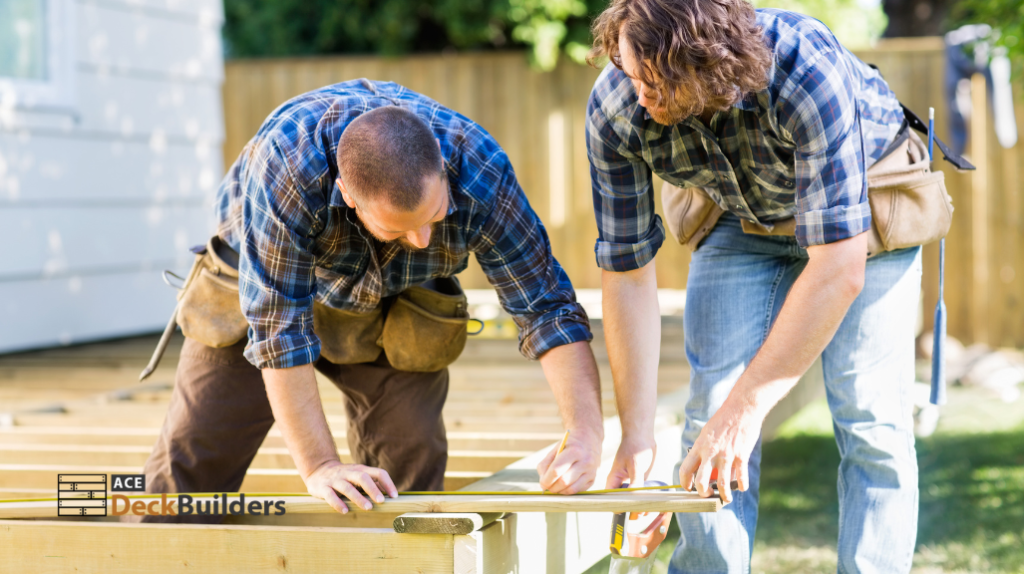
- Tighten and match hardware: Snug structural screws/bolts and replace corroded fasteners with hot‑dip galvanized or stainless steel that match the hangers and brackets.
- Add blocking and bridging: Tighten joist fields near rail posts and at picture‑frame borders to kill “drumhead” bounce.
- Sister or add a drop beam: A supplemental beam close to grade—especially near the house line on free‑standing frames—cuts spans and can cause wobbling.
- Guard post kits: Tested brackets and through‑bolts transform flimsy rails into solid guards.
- Balance stairs: Add landings on long runs; re‑anchor stringers to solid pads or standoffs.
- Drainage fixes: Open perimeter gaps, add drip kerfs to nosings, and clear splash zones around bases so wood can dry between rains.
- End‑grain sealing: Touch every exposed cut with end‑grain sealer to stop wick‑rot that loosens fasteners.
If your checklist indicates greater structural support or you need an inspection letter for permits or resale, our deck inspection service in Austin can document findings and stamp the repair path.
When to call in reinforcements
Bring in a professional when you see:
- Ledger fasteners into brick veneer, missing flashing, or staining below the attachment line.
- Guard posts that move more than an inch at the top under light pressure.
- Beam splices between posts, especially with visible sag is present.
- Stair landings that tilt or stringers cutting into retreating soil.
- Posts bearing directly on concrete without stand‑off bases—or worse, on soil.
- Widespread corrosion on hardware near pools/spas.
A pro team can size reinforcements, replace compromised members, and, if needed, involve an engineer for hillside or rooftop loads.
For repair work that keeps your deck usable during the process, our deck repair team in Austin can prioritize fast, high‑impact fixes and schedule a clean follow‑up for finishes.
Timelines, budgets, and realistic repair paths

Every fix scales with findings, but these ranges help plan:
- One‑day tune‑ups: Tightening hardware, adding blocking, sealing ends, and minor stair fixes.
- Two-to-five-day reinforcements: Sistering joists, adding a drop beam, guard post retrofits, and landing rebuilds.
- Larger structural corrections: Ledger remediation with new flashing, beam replacement, footing upgrades—often scheduled with inspections.
Budget drivers: Hardware family (HDG vs stainless), footage of rail retrofits, access, and whether permits/inspections are required for structural work.
While you’re stabilizing the structure, it’s smart to schedule finish refreshes on high‑traffic zones so fasteners stay tight and moisture stays out.
FAQs
Turn Your Wobble Index Results Into a Strong, Stable, Safer Deck
If your deck’s Wobble Index score raised concerns, we can help you turn that data into a clear, confidence-building repair plan. We start by walking the structure in person, confirming load paths, checking connections, and identifying the weak points that create shake, sway, or soft spots. Then we map out the fixes that deliver the most significant impact fastest—whether that means tightening hardware, reinforcing beams, correcting posts, or upgrading critical connections. Our goal is simple: make your deck feel solid, secure, and ready for everyday use without guesswork or wasted budget.Call (512) 566-7519 or start here by requesting your Austin deck estimate to get a custom stability plan and prioritized repair list.