
TL;DR
A free estimate is perfect for straightforward, single-scope deck projects where you already know the basics (layout, materials, rail type). A paid design/estimate makes sense when you want drawings, options pricing, HOA-ready documents, or engineered details—the kind of clarity that reduces change orders and accelerates permits. Either way, insist on an itemized scope, schedule “hold points” for inspections, and clear allowances/exclusions. To benchmark the level of professionalism you should expect from deck builders, skim the process and standards on Ace Deck Builders.
Why Deck Estimates Aren’t All the Same
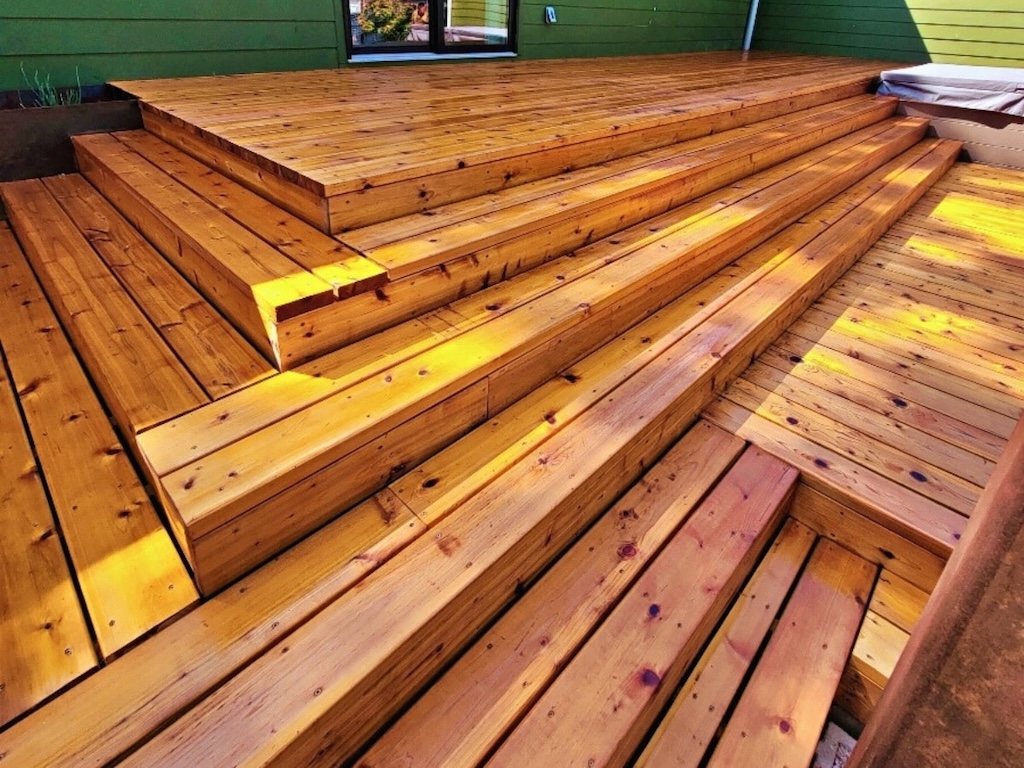
Two estimators can walk the same backyard and produce wildly different “estimates.” One may text a single number based on square footage and a guess at rail length; another might deliver a plan view, line-item pricing, material alternatives, and a Gantt timeline. The difference between those outputs is hours of professional work, which is why some firms reserve deeper estimating and design time for a paid engagement (often creditable if you proceed).
Your goal is simple: buy the right level of clarity for the decision you’re making now. If you’re choosing between two materials and one rail style, the light touch may be enough. If you’re weighing multiple ideas in your deck design, need HOA approval, or want to bid a fixed spec to multiple builders, invest in a deeper deliverable.
What You Actually Get: Free vs. Paid Deliverables
Typical “Free Estimate” Deliverables
- A site walk and measurements are sufficient for a ballpark or single-option proposal
- Itemized price for framing, decking, rails, stairs, skirting/fascia, and lighting (if included)
- Introductory notes on permits, schedule window, and allowances
- One revision round for minor clarifications
Strengths: fast, low-friction, great for uncomplicated scopes.
Limits: light on visuals, limited option sets, less useful for HOA submission or apples-to-apples competitive bidding.
Typical “Paid Design/Estimate” Deliverables
- Plan & elevation views (dimensions, footing layout, ledger detail)
- Options pricing (e.g., cedar vs. mid-range composite vs. PVC)
- 3D visuals for homeowner/HOA; color callouts; rail system specifics
- Pre-permit notes (spans/spacing, railing/stair code items, setback considerations)
- Preliminary Gantt with inspection hold points (footing → framing → final)
- Spec sheet you can share with other bidders for true apples-to-apples
- Often credited toward the build if you proceed
Strengths: clarity, faster approvals, fewer change orders, and easier bidding.
Limits: costs money up front; requires a bit more homeowner participation (decisions!).
When a Free Estimate Is Enough (Real Austin Scenarios)
- Straightforward replacement: your current 12’×20’ cedar deck is tired, the layout stays the same, one stair run, standard picket rails, no lighting. You already know you want a light-tone composite or cedar; you’re not chasing three rail systems or a new footprint.
- New simple build: one-level low deck off a single back door, minimal rails, basic skirting, no kitchen or complex lighting.
- You’ve already decided on materials: you’ve heat-tested sample boards and picked one series/color; you want fair pricing and a realistic schedule.
Free works here because the decision space is small and the risk of surprises is low.
When a Paid Estimate Pays for Itself
- Multiple concepts on the table: expanded footprint vs. multi-level with privacy, or rotating the stair location to fit a grill corner.
- HOA stickler: exact series names, color chips, plan/elevation views, and rail details are required; resubmittals waste weeks.
- Site challenges: slope, tree roots, easements, or tight access that affect footing count, staging, or demo/haul-off.
- Engineering touchpoints: elevated decks, rooftop concepts, spa loads, long spans, shade structures; you want confidence before committing.
- Competitive bidding: you’ll shop the work and want a fixed spec packet to prevent apples-to-oranges proposals.
The paid route compresses the back-and-forth, reduces rework, and gives you a project roadmap—not just a number.
How Estimating Works Behind the Scenes (So You Can Ask Better Questions)
Good estimators are building your project on paper. They don’t just multiply square footage; they map footings, spans/spacing for the exact board, rail post blocking, stair geometry, skirting ventilation, and the sequence that inspection gates will require. They’re also checking for rail/stair code constraints and how material choices change joist spacing and fasteners.
Use this to your advantage: ask what assumptions your estimate uses—joist spacing, footing diameter, rail length, stair count, and whether your HOA will need specific product lines in writing.
Permit, HOA, and Engineering: The Hidden Time Sink
In Greater Austin, the difference between a smooth project and a frustrating one is often paperwork quality. If you’re near a greenbelt, floodplain, or utility easement—or your HOA wants exact series names—an estimator may need to invest extra time so your submittal’s a first-pass approval.
Paid estimates typically include submission-ready drawings, material options, and the context reviewers need: footing depth/diameter, ledger flashing detail, and rail/stair notes. That front-load of clarity pays off in fewer resubmittals and cleaner inspections.
Want to visualize how pros sequence drawings, approvals, and inspections on a complete rebuild? Mid-research, it helps to skim a specialist’s overview of deck replacement in Austin to see how the paperwork and schedule fit together.
For new or remodel-adjacent projects, a quick tour through deck installation in Austin shows the same inspection “hold points” and how a builder prevents rework—practical context when you evaluate estimate depth.
And before you sign any proposal, read a homeowner-friendly primer on questions to ask before hiring a deck contractor to stress-test warranties, allowances, and change-order rules.
Site Complexities That Change the Estimate Effort
- Slope/drainage: changes footing count and beam heights; may require landings.
- Legacy surprises: hidden rot, undersized spans, unflashed ledger; demolition plan affects safety and time.
- Access limits: narrow side yards, gate constraints, and second-story handling; these influences labor and staging.
- Pool proximity: stainless hardware and slip-aware surfaces, plus electrical considerations.
- Sun exposure: west-facing decks push lighter tones and potential shade features; options pricing expands.
The more variables you introduce, the more time a responsible estimator must invest to give you a reliable number.
Price Transparency: What Every Quote Should Include
Regardless of free or paid, insist on these:
- Plan view (even basic) or at least a dimensioned sketch
- Line items: framing species/size, decking brand/series, rail system, stairs, skirting/fascia, lighting
- Hardware details: post bases, ledger flashing, fasteners (hidden/plug vs. exposed)
- Allowances: rock excavation, hidden rot remediation, extra piers, access protection
- Exclusions: irrigation, landscaping, furniture, grills—unless included
- Schedule notes with inspection gates (footing, framing, final)
- Warranty terms (workmanship + handling manufacturer claims)
- Change-order process in writing that pauses work until you approve the price/time impact
If any contractor refuses to itemize, you’re gambling with scope creep.
Avoiding Apples-to-Oranges: Standardize Your Bid Spec
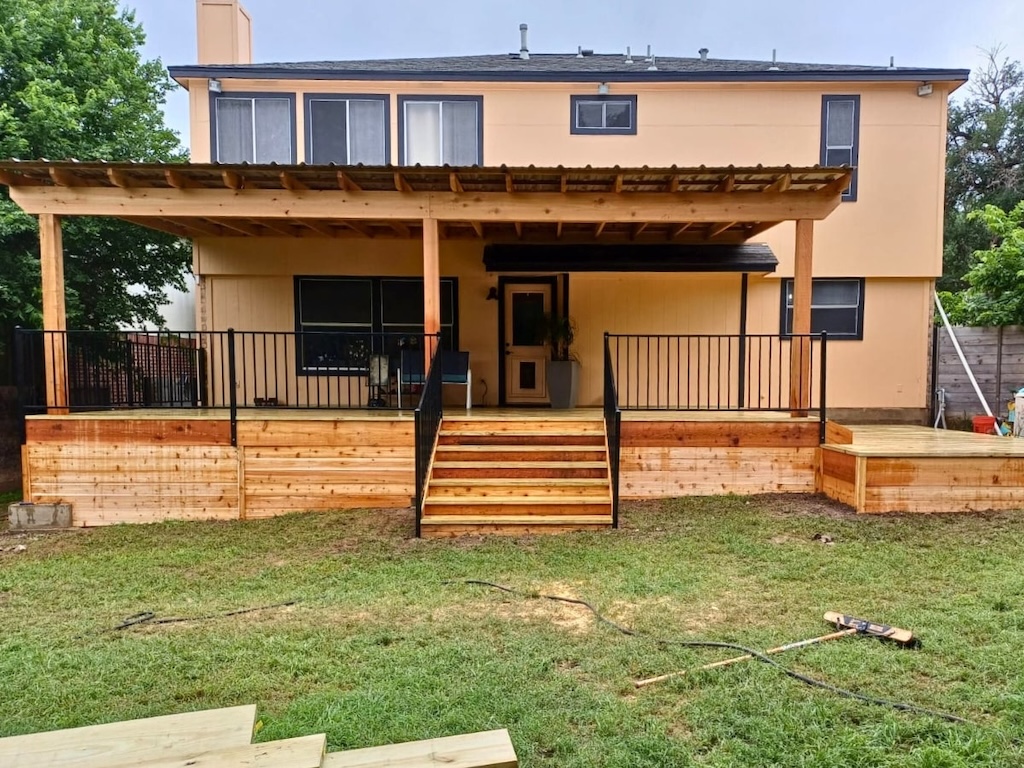
If you compare multiple builders, issue a mini spec so everyone bids the same thing:
- Deck size and height, stair count, rail linear feet
- Board series & color (and one allowed alternate)
- Rail style (pickets vs. cable vs. glass), stair rail included
- Skirting/fascia coverage
- Who pulls permits and meets inspectors
- Allowances for rock/rot/extras; exclusions you know about
- Delivery preference: single-phase vs. phased (if budget timing matters)
You’ll be shocked at how much cleaner the numbers become when your inputs are consistent.
Red Flags & Buyer Protections
- One-line quotes (“Deck: $X”) with no specs
- “No permit needed” on projects that clearly trigger one
- Reluctance to show a detail sheet, sample plan, or inspection tags from a recent Austin job
- Heavy front-loaded deposits before permits/materials
- No workmanship warranty in writing
Protect yourself with a clear payment schedule tied to milestones (permit approval, material delivery, inspection pass, substantial completion) and a closeout packet promise (care/cleaning guide, stain schedule for wood, warranty contacts).
FAQs
Get a Decision-Ready Estimate
Want an estimate you can act on—with itemized pricing, option sets, permit notes, and a schedule tied to inspection hold points? Start with a free deck estimate in Austin for outdoor living spaces, and we’ll map the options, bring samples for heat-testing, and deliver a plan you can trust.