
TL;DR
In Austin’s heat, poolside decks need two things most: low surface temperature and reliable wet‑foot traction. Start by choosing lighter‑colored, low‑mass surfaces (porcelain pavers on pedestals, capped PVC/composite boards rated for high slip resistance, or dense tropical hardwoods with textured finishes). Design for water movement—pitch away from the pool, break up sheets with drip edges, and specify non‑clogging drains. Add shaded zones, handholds, and night lighting. With the right materials and details, families get barefoot‑friendly comfort without algae slicks or splinters—and a deck that looks great through Texas summers.
What “cool and non‑slick” really means (metrics that matter)
Two measurable targets guide pool‑adjacent deck design:
- Surface temperature: Light colors and ventilated assemblies run cooler. Porcelain pavers and capped PVC/composites typically measure cooler under the sun than dark composites or dense hardwoods. Assembly matters—air gaps under pavers or boards help heat dissipate.
- Wet‑foot slip resistance: Look for COF (Coefficient of Friction) test data with a wet rating (e.g., ASTM E303/BPN, ANSI A326.3 for tile). For boards, many manufacturers publish wet‑testing results—aim for high‑traction textures and avoid mirror‑smooth finishes.
Early in planning, a quick site walk with our Austin deck team helps align materials to your backyard’s sun exposure, splash zones, and drainage paths.
Materials that stay comfortable under the Austin sun

Below are common pool‑adjacent surfaces and how they behave in heat and water.
Porcelain pavers on adjustable pedestals
- Why they run cool: Light colors + air space under pavers reduce heat retention.
- Traction: Many outdoor‑rated tiles carry a high wet COF; look for textured finishes.
- Pros: Excellent drainage and access to plumbing/equipment; easy to replace single tiles.
- Considerations: Edge restraint for wind; careful layout at pool coping.
Capped PVC / premium capped composite decking
- Why they run cool: Some lines are engineered to absorb less heat, especially in light hues. Hollow‑chamber PVC often cools faster than solid composite.
- Traction: Embossed grain or wire‑brushed textures give solid wet‑foot grip; use manufacturer‑approved hidden fasteners for clean, snag‑free planks.
- Pros: Low maintenance; uniform look; flexible for custom curves.
- Considerations: Follow joist spacing for diagonals (often 12″ OC); allow for expansion gaps.
Textured tropical hardwoods (e.g., ipe with anti‑slip oil, ribbed faces)
- Why they run cool: Darker tones can heat up, but the thermal mass and oil finishes help; ribbed profiles shed water.
- Traction: Good when textured and maintained; requires periodic oiling and cleaning.
- Pros: Natural look; long lifespan.
- Considerations: Maintenance and careful screw/countersink pattern; bare‑foot splinter control over time.
Rubberized/resin surfaces (select areas)
- Use cases: Play areas or splash‑pad zones; stay comfortable and forgiving underfoot.
- Considerations: Not ideal for large cooking zones; UV and chemical resistance vary by product—verify pool‑chemical compatibility.
Textures, finishes, and slip‑resistance ratings
- Boards: Choose profiles with micro‑ridges or wire‑brushed faces; avoid high‑gloss caps. Many “wet‑rated” composites specify directional textures—install them with the texture oriented toward foot traffic.
- Tiles/pavers: Favor ANSI A326.3 outdoor‑rated finishes; matte/structured surfaces outperform polished. Keep grout joints tight and use perimeter restraints to avoid lippage.
- Add‑ons: In heavy splash zones (diving board returns, spa spillways), apply clear anti‑slip treatments or use factory‑textured inserts on the first step/tread of adjacent stairs.
Drainage, slopes, and detailing that keep water moving
Water that lingers is what grows slick biofilm. Key details:
- Pitch: 1/8″ to 1/4″ per foot away from the pool shell or house. Break long runs with subtle drip kerfs at board ends or paver edges.
- Gaps: Maintain consistent board gaps; on pavers, use spacer tabs and don’t bridge weep paths with sealant. Keep inspection corridors to channel drains.
- Transitions: Feather slopes into coping; use low‑profile nosings and avoid toe‑catchers. At pool equipment pads, include a clean gravel border to intercept splash.
- Under‑structure: For framed decks, install joist tape and ventilate the cavity; for pedestal systems, keep a clean membrane/protection mat and accessible drains.
Shade, heat mitigation, and burn‑risk reduction
- Create microclimates: Pergolas, shade sails, or offset umbrellas let you control heat during the hottest hours. Where wind is a concern, pick wind‑rated hardware and bases.
- Color strategy: Choose light, matte finishes that reflect more sun. Mix light pavers at the tanning ledge with slightly darker lounge zones to balance glare and comfort.
- Misters and fans: Evaporative cooling works well in Austin’s summer pattern; mount lines where overspray doesn’t soak walking paths.
- Barefoot paths: Add stepping pads between lounge and water with extra‑cool surfaces; keep metal thresholds shaded.
Stairs, rails, and safety around water
- Handholds and graspable rails at any stair or grade change within splash range.
- Tread texture on the first two steps off the pool zone; consider closed risers to reduce toe snagging.
- Lighting: Low‑voltage tread and post lights on dusk sensors; avoid glare onto the water surface. If you have kids or guests at night, consider subtle glow-strip kick plates at grade changes.
- Furniture anchoring: Use non‑skid feet; secure umbrellas and cabanas per wind specs.
For complex footprints or tight side‑yard access, our pool deck installation team in Austin can design a phased build that keeps your pool usable during construction.
Timelines, permits, and inspections for pool‑adjacent builds
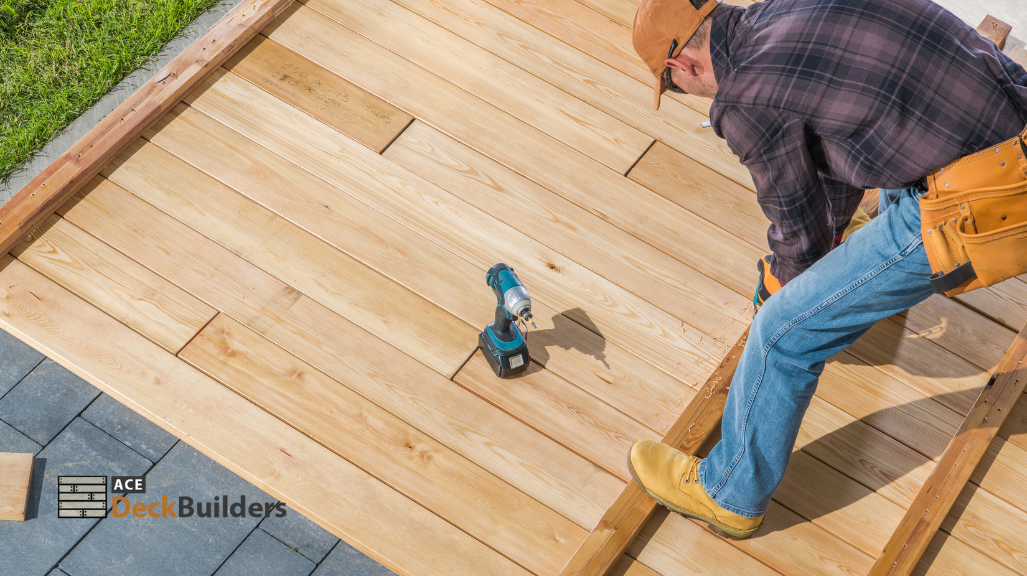
- Consult & concept: Typically 3–7 days for measure, layout options, and materials.
- Engineering & permit set: 1–2 weeks for framed decks; paver‑on‑pedestal projects may move faster once the substrate is verified.
- Permitting & HOA: Often 1–3 weeks with complete drawings and barrier/guard details.
- Build: 2–4 weeks, depending on framing, curves, and rail footage.
- Inspections: Expect to inspect the footing (if framed), framing, and final electrical bonding/lighting, where applicable.
If you’re weighing composites vs. PVC by the pool, this primer on the best decking materials for Austin helps you compare heat and traction trade-offs.
Costs, assumptions, and ways to value‑engineer
Assumptions
- 250–450 sq ft of deck adjacent to an in‑ground pool
- Light‑colored capped PVC/composite or porcelain pavers
- Rail only where code or drop requires; benches used as guards elsewhere
- Standard access (no crane), straightforward drainage tie‑ins
Typical ranges
- Design & engineering: Low thousands depending on substrate verification.
- Construction: Premium surfaces and rail footage drive costs; curves and inlays add labor; pedestal systems trade framing for higher material costs but faster installation.
Value‑engineering
- Keep the hottest zones (south- and west-facing) in light pavers; reserve composites for shaded lounges.
- Use benches as guard edges to reduce the cost of rail runs.
- Align joists to minimize waste on diagonal layouts; standardize module widths to align with paver sizes.
Care and maintenance: keeping traction season after season
- Rinse cycles: Hose down splash zones weekly during peak season; blow off dust/pollen that can form slippery films.
- Deep cleans: Use manufacturer‑approved cleaners; soft‑bristle agitation beats harsh chemicals near pool water.
- Grout/joint care: Keep pedestal spacer tabs clear; vacuum channel drains at the start of summer.
- Finish refresh: Re‑oil hardwood textures as specified; inspect anti‑slip treatments yearly.
Safety note: If you see green sheen or feel “buttery” spots, that’s biofilm—schedule a cleaning before parties. Add a short‑term anti‑slip booster on traffic lanes if algae cycles are persistent.
FAQs
Make Your Pool Area Cooler, Safer, and Easier to Enjoy
Upgrade your outdoor living with a custom pool deck designed for comfort, safety, and low maintenance. Our Austin deck experts build poolside spaces that stay cool underfoot, resist moisture and wear, and complement your home’s style. Whether you’re replacing worn concrete or creating a new entertainment zone, we’ll design a layout that enhances both beauty and function. From slip-resistant materials to seamless transitions between your deck and pool, every detail is built to last through Texas weather. Enjoy a cleaner, more inviting pool area that’s ready for family time, gatherings, or quiet relaxation. Call (512) 566-7519 or request your custom Austin deck estimate today to get your personalized plan and pricing.