
TL;DR
Rooftop and over‑garage decks add premium outdoor space without expanding your footprint—if waterproofing, wind design, and access are dialed in. Treat the roof as a system: continuous membrane (or liquid‑applied) with protected transitions, a floating deck surface on pedestals or sleepers that won’t trap water, and edge/penetration details signed off by an engineer. In Austin, thermal swings, gusty storms, and UV exposure punish shortcuts, so choose low‑maintenance decking, specify uplift‑resistant hardware, and plan safe stair or hatch access with lighting. Expect 3–8 weeks from design to final, depending on scope and permitting. Done right, you’ll gain a quiet, breezy retreat with zero yard impact and a roof that still sheds water flawlessly.
Why rooftop and over‑garage decks are different in Austin
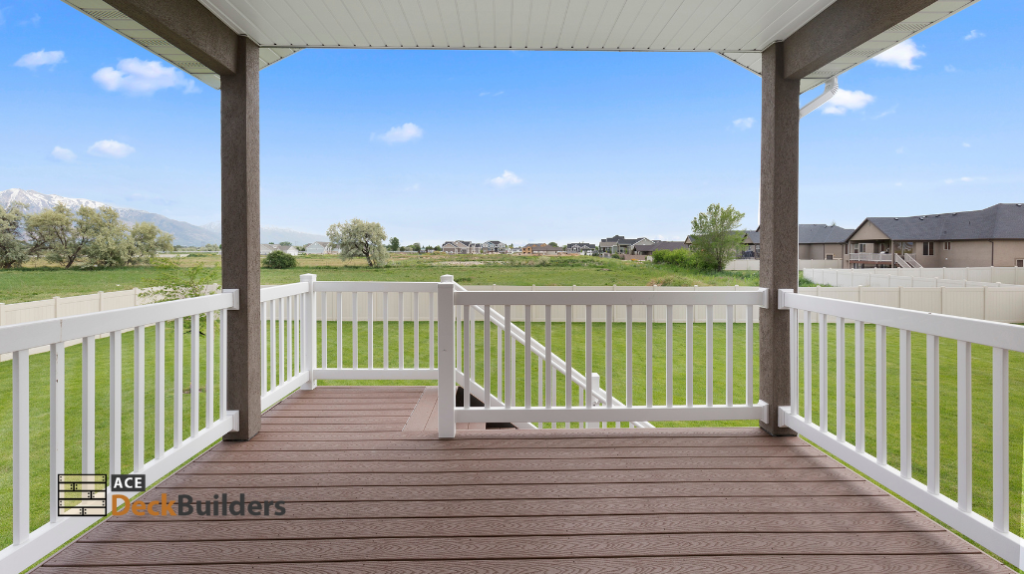
Rooftop decks live in a harsher microclimate than ground‑level builds. Austin’s heat, sudden downpours, and wind events push materials and details to their limits. Two key realities drive the design:
- The roof must remain a roof first—continuous, drained, and inspectable. The deck should protect the roof, not replace it.
- Wind and uplift matter even on one‑story garages; parapets, open edges, and building orientation affect railing design, anchorage, and furniture choices.
If you want a quick sanity check early in planning, our Austin deck specialists can walk the site and flag roof type, drainage, and access options before you commit to a layout.
Waterproofing: membranes, layers, and details that never leak
Waterproofing is the make‑or‑break. We build around these principles:
- Keep the roofing continuous. Avoid unnecessary penetrations. When penetrations are unavoidable (rail posts, lighting), use engineered standoffs and manufacturer‑approved flashing boots.
- Choose the right system for the substrate. Low‑slope roofs often use TPO/PVC/EPDM sheets or liquid‑applied membranes. Over garages with plywood sheathing, liquid systems can conform to edges and scuppers; on existing TPO/PVC, floating pedestal systems keep the membrane intact.
- Protect the membrane. Use separation mats, pads, or a pedestal‑top plate so sleepers or pavers don’t abrade the surface. Keep a service gap around drains and scuppers.
- Slope to drain. The deck surface may look level, but the membrane below must pitch to drains. Set pedestals to maintain that slope.
- Edge transitions. At parapets and thresholds, keep counter‑flashing continuous and terminate deck surfaces short of vertical surfaces to allow inspection and movement.
Leak‑prevention checklist: Mock every penetration on paper first; label transitions; require photos at waterproofing milestones; and keep a small box of extra tiles/boards labeled by zone for future access.
Structure and wind: load paths, uplift, and edge safety
- Load path first. Over‑garage structures may need joist sisters, new beams, or posts to carry deck and live loads. On true rooftop decks, use free‑standing frames bearing on load‑rated pads, or design with ballast where allowed.
- Uplift and anchorage. Open edges generate lift; specify hardware with published uplift values and verify substrate capacity. Where rails can’t penetrate the roof, use baseplates on curbs or guard‑bench assemblies that keep waterproofing continuous.
- Guard design. Austin breezes are kind—until they’re not. Slim metal or cable guards preserve views, but top rails and posts must resist wind and crowd loads—plan for privacy/wind screens near seating.
- Thermal and movement. Expect expansion; choose hidden fasteners rated for rooftop temperatures and leave proper gaps at perimeters.
Deck surface options: pedestals vs sleepers
Pedestal systems
- Adjustable pedestals support porcelain pavers or composite tiles.
- Pro: Minimal roof contact, excellent drainage, and service access.
- Consider edge restraints and wind uplift; pavers may need clips/ties.
Sleepers (floating)
- Pressure‑treated sleepers sit on protection mats with composite or premium wood above.
- Pro: Warm deck feel, flexible layout, easier custom shapes.
- Consider: Maintain airflow; use joist tape; leave inspection corridors to drains and edges.
Hybrid zones
- Pedestals near drains for easy access; sleepers under lounge areas for comfort and custom rail integration.
Access planning: stairs, hatches, and doors that work

- Exterior stairs: Great for over‑garage decks; landings keep runs comfortable. Protect the building envelope at attachment points.
- Interior stair/hatch: Clean look for rooftop decks; mind headroom, fire egress, and insulation at the opening.
- Door thresholds: On second‑story walkouts, maintain waterproof sill pans and step‑down transitions; avoid creating a dam with decking.
- Lighting and handholds: Illuminated treads, graspable rails, and wind‑rated gates near pool/spa features.
For complex access routes through narrow side yards or tight turns, our rooftop deck installation team in Austin can map a route that keeps the envelope sealed and the build efficient.
Electrical, lighting, and comfort add‑ons
- Power planning: Conduit routes must protect the membrane. Use raised junctions and manufacturer‑approved boots.
- Lighting: Low‑voltage stair and post lighting on timers/sensors; splash lighting near outdoor kitchens; avoid glare toward neighbors.
- Shade and heat: Cantilevered awnings, slim pergolas, or sail shades must anchor without compromising waterproofing; portable umbrellas with wind‑safe bases are a sleeper hit.
- Amenities: Kitchenettes, ice makers, spas—group heavy loads over bearing walls and plan service access.
Permits, inspections, and HOA considerations
- Plans and engineering: Expect structural review for load, wind, and waterproofing details. Roof warranties may require approved installers.
- Inspections: Common checkpoints are framing, waterproofing (before concealment), electrical rough, and final.
- HOA & neighbor relations: Height, privacy screens, and lighting spill are common review topics—address them in the plan set.
To understand sequencing and approvals, this walkthrough of the deck installation process in Austin is a helpful primer before you submit.
Timelines, costs, and common value‑engineering moves
Typical sequence
- Consultation and concept: about a week.
- Engineering and permit set: 1–2 weeks.
- Permitting/HOA: often 1–3 weeks with complete drawings.
- Build: 2–5 weeks depending on access, weather, and scope.
Cost drivers
- Waterproofing system choice, railing length, stair complexity, and need for structural upgrades under the roof.
Ways to control costs
- Keep heavy kitchens and spas near bearing lines.
- Use benches as guards to shorten rail runs.
- Choose pedestal pavers near drains for easy access; reserve sleepers for lounge areas.
- Pre‑plan furniture/wind screens so post spacing can double‑duty.
If you’d like a safety check before permitting, our deck inspection service can verify structure, access, and waterproofing details.
Maintenance: annual checks that prevent big repairs

- Clear leaves from drains and scuppers seasonally.
- Inspect guard posts, base connections, and stair hardware yearly.
- Rinse and spot‑clean decking; renew finishes on any exposed wood.
- Review sealant joints and counter‑flashings for UV cracking.
Storm note: After a major wind event, check edge clips, furniture tie‑downs, and any free‑standing screen anchors.
FAQs
Turn Your Roof Into a Room With a View
Make the most of every square foot by transforming your unused roof or garage top into a stunning outdoor retreat. Our Austin deck specialists design and build rooftop spaces that blend comfort, style, and lasting craftsmanship—perfect for entertaining, relaxing, or simply enjoying the skyline. We handle everything from structural planning and permits to waterproofing and custom finishes, ensuring your rooftop deck is as safe as it is beautiful. Whether you envision a cozy lounge, a modern entertaining area, or a quiet escape above the city, we’ll bring your vision to life with precision and care. Call (512) 566-7519 or request your rooftop/over-garage deck estimate today to get started.