
A pre-purchase deck inspection is a focused look at the deck’s structure before you close on a house: footings, posts, framing, ledger, railings, and stairs. It gives a Lakeway buyer a written condition report and a repair scope to use while the contract still allows changes.
Decks are easy to overlook on a showing. They photograph well, they’re often the reason a lake-view house appeals in the first place, and most of what can go wrong sits underneath where nobody looks. On Lakeway’s sloped lots, a deck can be ten feet off the ground at its outer edge, so the parts that matter most are the hardest to see. We run deck inspections across Lakeway for buyers who want that answer before they sign.
What a General Home Inspection May Skip
A general home inspector covers the whole house in a few hours, and the deck gets a share of that time. Many will walk the surface, test a railing or two, and note anything obvious. That’s useful, but it isn’t the same as getting under a tall deck and checking each connection.
Home inspection reports often say a deck shows wear and recommend a specialist. That line is easy to skim past when the rest of the report looks fine. If the deck is raised, attached to the house, or built on a slope, it’s worth taking that recommendation seriously.
We compare the two side by side in home inspector versus deck contractor.
What a Deck Inspection Adds
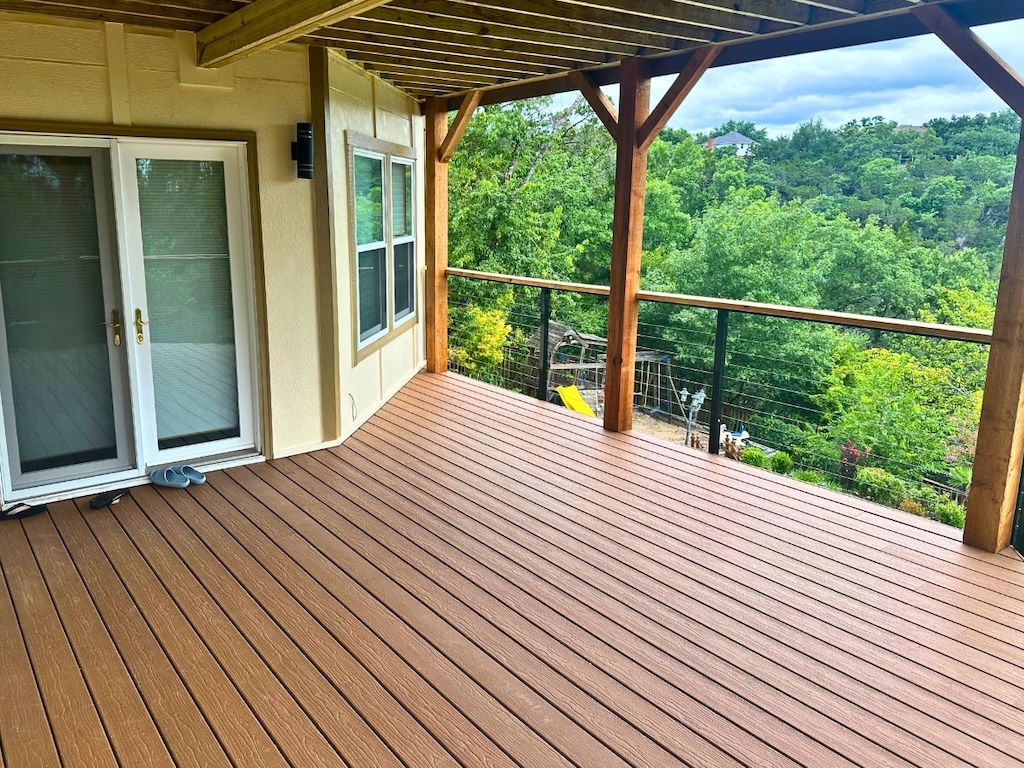
A deck-specific inspection works from the ground up. Here’s what we look at on every visit:
- Footings and posts. Whether each post sits on solid support, whether soil has washed away on the downhill side, and whether any post has tilted or started to rot at the base.
- Framing. Beams, joists, hangers, and bracing, with a probe on any wood that looks soft. On tall decks, we check how well the structure resists sideways sway.
- Ledger and flashing. The board that ties the deck to the house is where many failures start. You can read how ledger flashing fails and why it matters so much.
- Railings and stairs. Post strength, height, baluster spacing, and stair geometry against current standards.
- Surface. Cupped, split, or soft boards, and any finish breakdown that’s letting water in.
Each finding comes with a photo and a plain note on what it means. The goal is to tell you what you’re buying, not to sell you a project.
We also note what’s in good shape. A buyer who hears only problems can’t tell a solid deck with a few worn boards from one that needs to come out. Knowing which parts are sound is just as useful when you’re weighing an offer, and it helps you plan upkeep for the first few years after you move in.
Why Lakeway Decks Deserve the Extra Look
The conditions around the lake put different stress on a deck than a flat lot in north Austin does. Tall posts, open sun, wind off the water, and thin soil over limestone each wear on a different part of the structure. Our guide on why decks in Lakeway wear out covers each one in detail.
Storms are the other factor. If a hailstorm or a high-wind event has come through since the last owner looked closely, there may be damage nobody has noticed yet. Our notes on storm damage on a deck explain what that looks like.
Questions to Ask the Seller About the Deck
A few questions during the option period can fill in what an inspection can’t see, like the deck’s history. Sellers won’t always know every answer, and that’s fine. Anything they do know helps.
- How old is the deck? An approximate build year tells you whether the frame was built to older span and connector rules.
- Was it built or rebuilt with a permit? Our overview of permit rules for decks covers what usually requires one. A missing permit isn’t always a problem, but it’s a fair question to raise while you still can.
- What repairs have been made? Patched boards or a sistered joist aren’t red flags on their own, but they point to where the deck has struggled before.
- When was it last stained or sealed? On a sunny lot, a finish that’s several years old has likely stopped protecting the wood.
- Has it had storm damage or an insurance claim? Hail and wind damage that was never repaired can hide in railings and fasteners.
If the seller’s answers and the inspection findings point the same way, you’ve got a clear picture. If they don’t line up, that’s worth a conversation with your agent before the window closes.
Timing It Inside the Option Period
Most Texas resale contracts include an option period: a short window, set in the contract, when the buyer can back out for any reason. That’s when inspections happen, and the window is usually only a matter of days. Ask your agent how long yours runs, and book the deck inspection early in it.
Here’s how the timing tends to work. We schedule inspections the same week you call, and the visit takes 60 to 90 minutes on site. The written report with photos follows within 48 hours. That leaves time to read it, talk it over with your agent, and decide what to ask for before the window closes.
We’re not giving legal or real estate advice here. Your agent knows your contract, and the terms in it decide what you can do with the findings.
Reading the Report
The report sorts findings into three groups: safety items that need attention before the deck is used, repairs that should happen soon, and maintenance that can wait. If the deck needs work, we’ll include a written repair estimate so you have a scope with clear line items, not a guess.
Sometimes the answer is bigger than a repair list. When the framing is compromised throughout, the report says so plainly. Our article on deciding between repair and replacement explains where that line usually falls, and the signs a deck needs replacing are worth reading before you walk the property again.
Using the Findings Before You Close
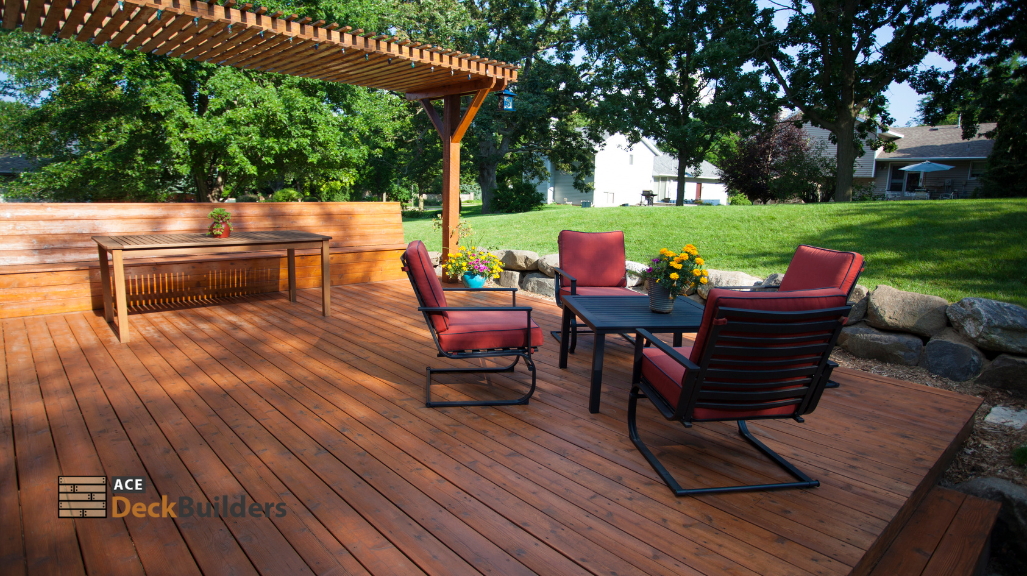
A clear report gives you options. You might ask the seller to make repairs before closing, adjust the price, or simply go ahead with a known plan for after you move in. Whatever you decide, you’re deciding with the facts in hand.
If repairs are needed after closing, we can handle them. That might mean deck repair work on a few failed parts or railing replacement on an outdated guard.
When the frame is past saving, replacing the whole deck on new footings and framing is usually the better path. You’ll already have the scope from the inspection, so there’s no starting over, and you can plan the work around your move.
Booking a Pre-Purchase Inspection
Tell us the address, your option period end date, and whether the deck is attached to the house. We’ll confirm a visit that week and send the report within 48 hours of it. To see what the visit covers in full, read about our deck inspection service.
Selling and not buying? Read the seller’s guide to a pre-listing deck inspection.