
A pre-listing deck inspection tells an Austin seller what a buyer’s inspector is likely to find, before the house goes on the market. It gives you time to repair, price around, or disclose a problem on your terms, not during a short option period.
Decks sell houses. They’re in the listing photos, and they’re one of the first places people walk onto at a showing. They’re also a place where a buyer’s inspection can turn up a surprise, because the parts that fail are underneath. Finding out first is the whole idea, and it starts with a deck inspection for your Austin home.
What Happens When the Buyer Finds It First
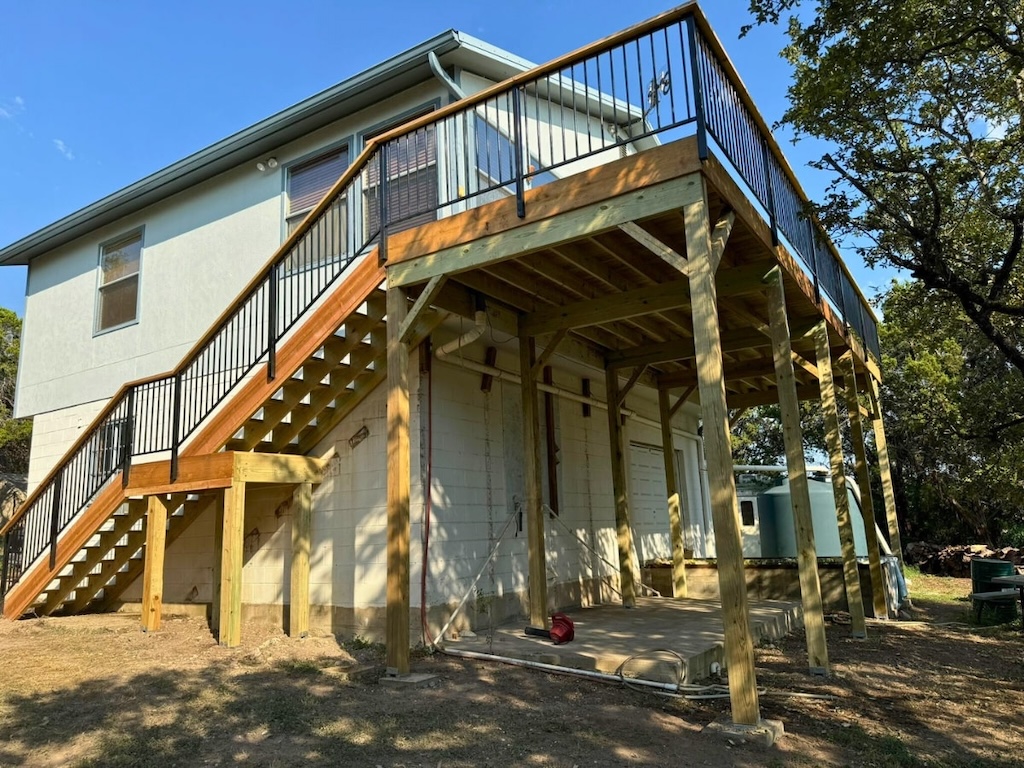
Most Texas resale contracts give the buyer an option period, a short window to inspect and to back out. If the buyer’s inspector flags the deck during that window, you learn about it at the worst time. You have days, not weeks. The buyer is deciding whether to stay in the deal. And any repair you agree to has to be arranged in a hurry, often with whoever is available.
A flagged deck also invites a bigger ask than the problem deserves. A line that says the deck shows deterioration and should be evaluated by a specialist is vague, and vague findings tend to get priced at the high end. A specific report, with photos and a defined repair, keeps the conversation in proportion.
There’s a quieter cost as well. A deck problem found late can make a buyer wonder what else was missed, even when the rest of the house is in good order.
What a Pre-Listing Inspection Covers
It’s the same inspection we do for any owner across the Austin neighborhoods we serve. We check footings and posts, beams and joists, the ledger and its flashing, guards, stairs, and the deck surface. The visit takes 60 to 90 minutes on site, and the written report with photos follows within 48 hours.
The report sorts findings by urgency and notes what’s in good shape. For a seller, that second part is useful too. A written line saying the frame was inspected and found sound is something an agent can work with. Our post on making sense of an inspection report explains each section.
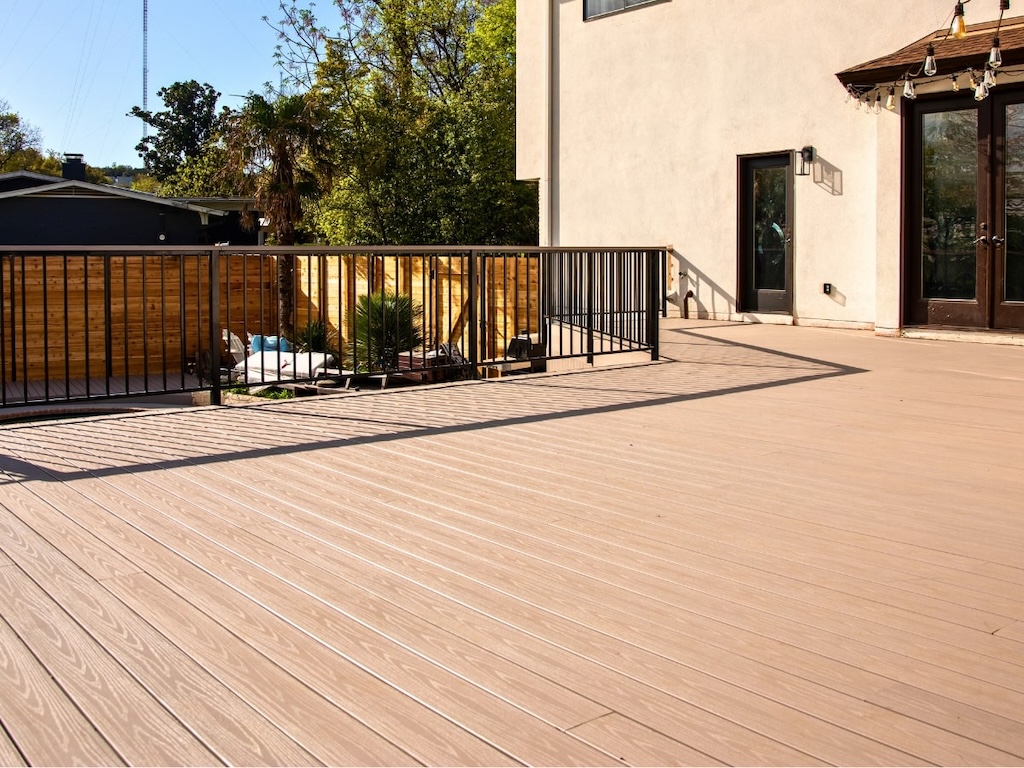
We also look at what a listing photo shows: the state of the finish, stained or cupped boards, and railings that have gone gray. Those don’t make a deck unsafe, but they shape what a buyer expects before they’ve seen the structure.
Three Ways to Use What You Learn
- Repair before listing. Fix the safety items and anything that would alarm a buyer, on your schedule and with a contractor you chose. Most of this is repair work on specific parts, not a rebuild.
- Price it in. If the deck needs more than you’d like to take on, your agent can account for it, and you can hand buyers a defined scope in place of an unknown.
- Leave it and disclose. Minor items can be noted and left. A known, documented issue is easier for a buyer to weigh than one they discover.
Which path fits depends on your timeline, your market, and your agent’s advice. The inspection doesn’t decide for you. It makes sure you’re choosing with the facts.
Repairs That Tend to Matter to Buyers
Not every finding is worth fixing before a sale. These are the ones buyers and their inspectors tend to notice.
- Loose guards and railings. A rail that moves reads as a safety problem right away. See our railing installation and replacement service.
- Stairs. Uneven risers, loose treads, and missing handrails are easy for an inspector to spot.
- Soft or split boards. They’re visible from the surface, so they shape first impressions.
- Ledger and flashing. Less visible, but a careful inspector will look, and it’s the finding with the highest stakes.
- A worn finish. Gray, dry boards make a sound deck look neglected. A fresh stain and seal is often the most visible improvement for the effort.
Cosmetic work is only worth doing on a frame that’s sound, which is another reason to inspect first.
When the Deck Is Past Repair
Sometimes the report says the frame is finished. That’s hard news before a sale, but it’s better to hear it now. You have options: replace it, remove it, or sell as-is with the report in hand. Our guide to the warning signs that a deck needs replacing helps you see it coming, and our deck replacement service covers what a rebuild involves.
If you do sell as-is, the report still helps. It shows the buyer the size of the problem, which is easier to price than an open question.
A new deck isn’t always the right move before a sale. Talk it through with your agent before you commit, since the return depends on the house and the neighborhood.
Disclosure and Your Agent
Texas law requires most sellers of single-family homes to give buyers a written disclosure notice describing the property’s condition as far as they know it. The law doesn’t require you to hire an inspector first. If you do have the deck inspected, what you learn becomes something you know, so talk with your agent about how to reflect it in the notice.
We’re not giving legal or real estate advice. Your agent, and an attorney if you have one, are the right people for disclosure questions. What we provide is an accurate description of the deck.
Timing
Book the inspection before the listing photos, and ideally a few weeks before you list. That leaves room for repairs and for a finish coat to cure. We schedule inspections the same week you call, so the inspection itself won’t hold you up.
Season matters a little too. Stain and sealer need dry weather and moderate temperatures to cure, so a refinish planned for a rainy stretch may need a few extra days.
Permits can affect timing as well. If a repair or replacement needs one, build that into the plan. Our deck permit overview for Austin explains when they apply.
What to Have Ready for Your Agent
- The inspection report, with its photos.
- Receipts and a short description for any repairs made after it.
- Permit records, if the deck was built or rebuilt with one.
- The age of the deck and the date it was last sealed, if you know them.
A simple folder like this answers most deck questions before a buyer asks them.
The Buyer’s Side
Buyers can order their own deck inspection, and some will. If yours is already done, you can share it. We’ve written the buyer’s version of this in our pre-purchase deck inspection guide, and the question of whether a home inspector or a deck contractor should look has its own post.
Booking
Tell us your target listing date when you call, and we’ll plan around it. A stand-alone inspection for documentation carries a modest fee, which is credited toward the work if you hire us for the repairs. Details are in our post on deck inspection fees. Call (512) 566-7519, or start with a written estimate request.